
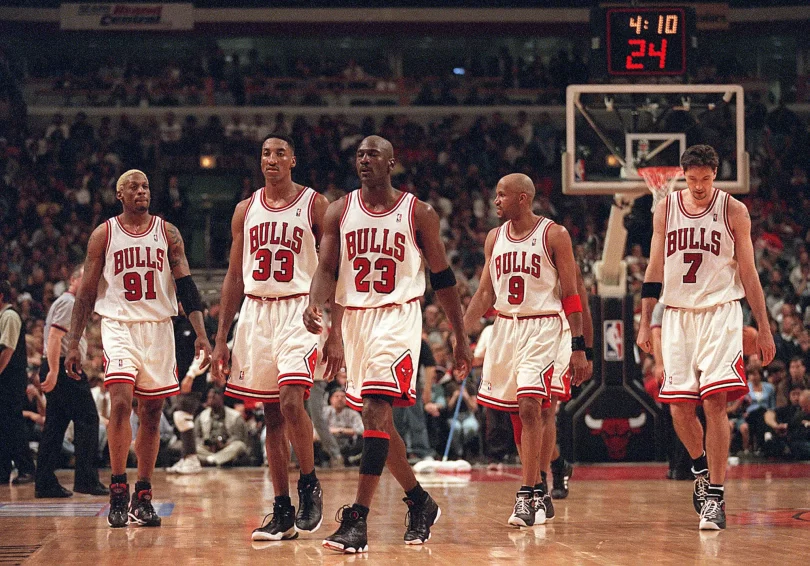

Sumvip In the world of basketball, few names evoke the same level of reverence as Michael Jordan. His career with the Chicago Bulls is often regarded as the defining era of the NBA, an epoch where one player’s brilliance transcended the game and left an indelible mark on sports history. The Chicago Bulls, a once-in-a-lifetime team, were built around Jordan’s unrelenting drive, skill, and charisma, leading to six NBA championships in the 1990s. This period was not only about winning titles but also about defining what greatness in basketball truly means.
In many ways, Jordan’s arrival in Chicago in 1984 marked the beginning of a new chapter. With his unmatched athleticism and competitive spirit, he immediately became the face of the franchise, setting the stage for the dominance that would follow.
Contents
The Building Blocks of a Dynasty
Before the championships began to roll in, the Chicago Bulls were struggling to find their identity in the competitive NBA landscape. The team had a talented roster, but the pieces weren’t quite fitting together. That all changed when the Bulls hired Phil Jackson as head coach in 1989. Jackson, with his unique philosophy of leadership and basketball, knew how to get the best out of his players and, most importantly, how to build a team around Jordan’s extraordinary talent.
Jackson’s coaching style emphasized teamwork, unselfish play, and mental toughness, qualities that helped elevate the Bulls to the top. With the addition of Scottie Pippen, one of the greatest all-around players in NBA history, and key role players like John Paxson and Steve Kerr, the Bulls were ready to challenge for the NBA championship.
Dominating the 1990s: The First Three-Peat
By the early 1990s, the Chicago Bulls were no longer just a team with potential; they were an unstoppable force in the NBA. Michael Jordan was at his peak, and under Jackson’s leadership, the Bulls were poised for greatness. It was during this period that they secured their first three consecutive NBA championships (1991, 1992, and 1993), a feat that cemented their place in basketball history.
The Unmatched Power of Michael Jordan
What made this dynasty so special wasn’t just the talent of the Bulls as a team, but the sheer force of nature that was Michael Jordan. His scoring ability was unparalleled, but it was his mental toughness and relentless drive that made him the ultimate champion. Jordan wasn’t just a player; he was a leader who demanded the best from his teammates and who never backed down from any challenge, no matter how tough.
This era is filled with unforgettable moments — from Jordan’s iconic Game 5 performance against the Portland Trail Blazers in the 1992 NBA Finals to his famous “Flu Game” in the 1997 Finals against the Utah Jazz. His clutch performances in the Finals, including hitting the game-winning shot in 1997 against the Jazz, solidified his reputation as the greatest player the NBA has ever seen.
The Break and Return: The Second Three-Peat
In 1993, at the height of his career, Michael Jordan made a surprising decision to retire from basketball and pursue a career in professional baseball. However, his time away from the game was brief. In March 1995, Jordan made his triumphant return to the NBA, and the Chicago Bulls were ready to embark on a second phase of their dynasty.
A Return to Glory and the Final Three-Peat
Jordan’s return injected new life into the team, and after a brief period of adjustment, the Bulls were once again champions. In 1996, the Bulls won an NBA-record 72 games in the regular season, and Jordan was at the helm, dominating on both ends of the court. With the addition of Ron Harper, Luc Longley, and the continued brilliance of Scottie Pippen, the Bulls clinched their fourth NBA championship, beginning a second three-peat (1996, 1997, and 1998).
During this period, Michael Jordan solidified his legacy as a basketball god. With his six championships, five MVP awards, and countless clutch performances in the Finals, Jordan was no longer just a basketball player — he was a symbol of excellence, a player who could do it all.
The End of an Era: Michael Jordan’s Final Championship with the Bulls
The 1998 season marked the end of the most iconic run in basketball history. After securing their sixth title in eight years, the Chicago Bulls broke up their dynasty, and Michael Jordan announced his second retirement from the NBA. Jordan’s final shot as a Chicago Bull, a game-winning jumper against the Utah Jazz in the 1998 Finals, encapsulated his career — poised, clutch, and ultimately, victorious.
The Lasting Impact of Michael Jordan’s Legacy
Even after Jordan’s departure from the Chicago Bulls, his influence on the game continued to resonate. The Bulls’ success during the 1990s, fueled by Jordan’s genius, would shape the NBA for years to come. His work ethic, commitment to greatness, and ability to rise to the occasion under pressure set a standard that future generations of players continue to strive for.
The Chicago Bulls’ dynasty is a tale of a team that overcame adversity, embraced leadership, and found the ultimate success with one of the greatest athletes of all time at the helm. Michael Jordan’s era with the Bulls was more than just a period of dominance; it was a legacy that transcended the sport of basketball. His six championships with Chicago remain a testament to the power of determination, skill, and the relentless pursuit of excellence.
Conclusion: Michael Jordan and the Chicago Bulls’ Unbreakable Legacy
đăng ký Sumvip The Chicago Bulls’ Michael Jordan era is a dynasty that will never be duplicated. From the team’s first championship in 1991 to the final shot in 1998, Jordan and the Bulls redefined what it meant to be great in sports. Their six championships are more than just a statistic; they represent a standard of excellence, teamwork, and legacy. Even today, Michael Jordan remains the benchmark by which all NBA greatness is measured, and his impact on the sport is eternal.


